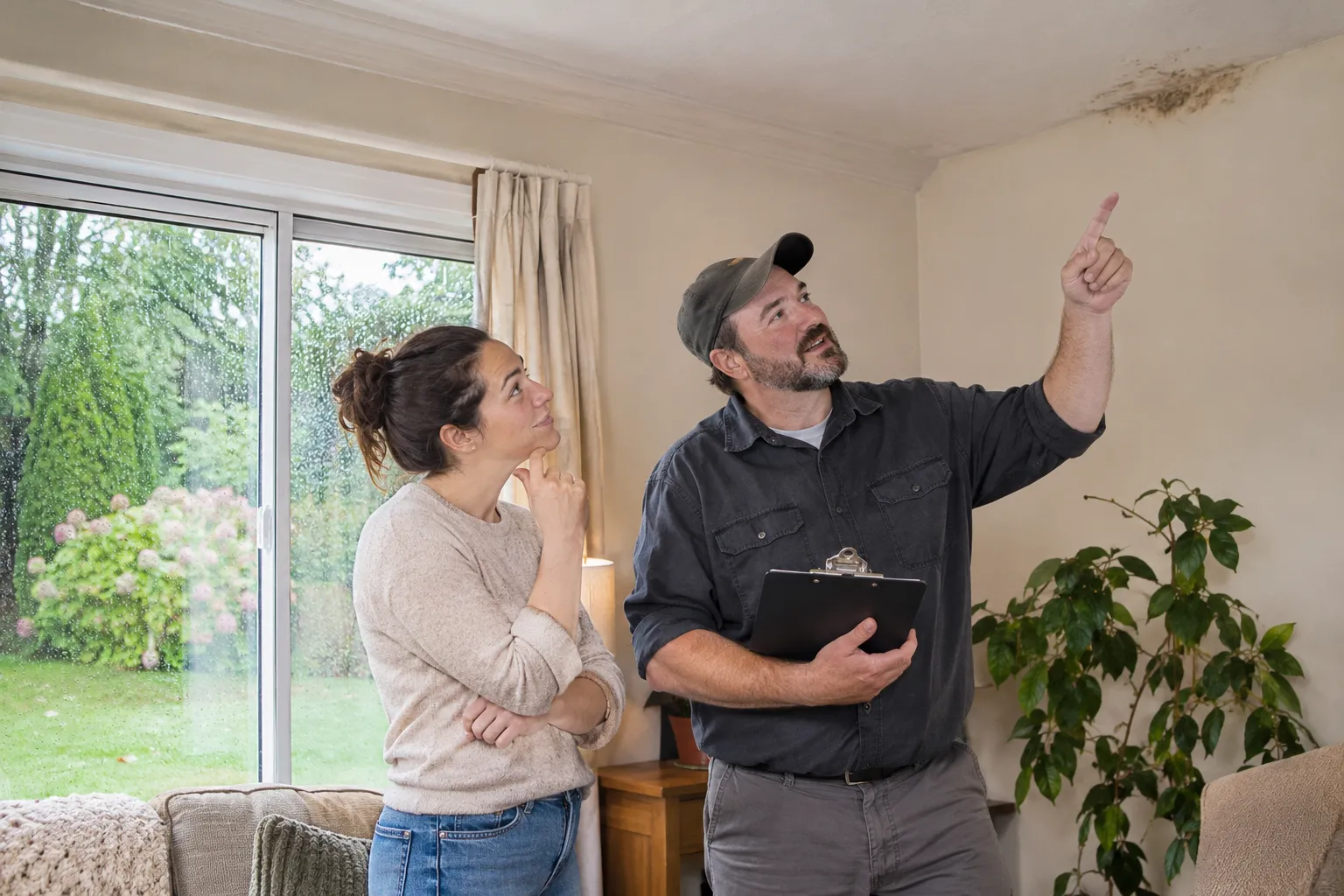
Found Mold? Here Is Where to Start
Is that musty smell coming back, or did you just spot dark spots on a wall or ceiling? Take a breath. This is a common problem in damp climates, and it is fixable.
Eugene Mold Removal is a referral service for homeowners in Eugene, OR and the Eugene area. We do not do the work ourselves. We connect you with independent local providers in our network who handle mold inspection, testing and mold remediation.
What should you do first? Keep the area as dry as you can, and resist the urge to scrub or spray it. Disturbing mold can send spores into other rooms. A local provider can look for the moisture source, because that is where every mold problem begins.
Will it turn your week upside down? It does not have to. Many providers plan around school runs, work hours and pets, and they can explain each step before anything starts.
Ready to talk it through? Call (541) 579-2091 to check provider availability and describe what you are seeing.
After the work is finished, the goal is a home that stays dry. Ask each provider what upkeep they recommend.
How It Works
How does Eugene Mold Removal work?
You tell us about your mold problem by phone. We pass the details to independent providers in our network who serve your part of the Eugene area. A provider then contacts you to talk through what you found and to set up a visit.
Eugene Mold Removal does not inspect, test or remove mold. The provider you choose does the work, sets the price and gives you a written quote. You decide whether to go ahead, and there is no obligation to hire anyone.
Who are the providers?
They are independent local companies. Each one runs its own business, schedules its own jobs and holds the licenses and insurance your state requires. Ask any provider about licensing and training before you agree to work. It is a normal question, and good providers expect it.
Why use a referral service?
Searching alone can mean a lot of browser tabs, phone tag and guessing. A referral makes the first step simpler. You describe the problem once, and you hear from providers who handle the kind of job you have, whether that is a small bathroom patch or a damp crawl space.
What happens after the repair?
Many people skip this part. Mold returns when moisture returns. A thoughtful provider will point out what caused the problem and what to change, such as fixing a gutter, adding a vent fan or improving crawl space drainage. The repair clears the mold. Keeping the house dry is what stops the next round.
Mold Help Across Our Area
Do providers in our network cover your street? Most likely, if you are in Eugene or elsewhere in the Eugene area. Availability varies by provider and by season, so it is worth asking.
The local climate shapes the work. Long wet seasons with steady rain keep wood damp, and moss on roofs and siding is a sign that moisture is hanging around. Mild temperatures mean mold can grow in almost any month. Occasional windstorms can lift shingles or knock gutters loose, which lets water into attics and walls.
Housing matters too. Older craftsman houses often have crawl spaces, original windows and attic rooms where air barely moves. Newer townhomes tend to be tightly sealed, so bathrooms and laundry areas need working fans. Providers in our network know these building types and can explain what they see in yours.
Want to know who can come out? Request an estimate and describe your home and the problem.
Call for availability (541) 579-2091
Keeping Your Home Dry After the Repair
The work is done and the wall looks clean. Now what? A few habits make a big difference in keeping mold from returning, and most take only minutes. Ask your provider which ones matter most in your home.
Is the air in your home too humid?
Aim for indoor humidity between 30 and 50 percent. A small humidity meter from a hardware store shows where you stand. If the number runs high, a dehumidifier in the basement, laundry room or a damp bedroom can bring it down.
Do your bath and kitchen fans run long enough?
Showers and cooking put a lot of moisture into the air. Run the fan during and for a while after. Check that it vents outside and not into the attic. Tightly sealed townhomes need this even more.
Are the gutters and downspouts clear?
With steady rain for months, gutters work hard. Clogged ones spill water down siding and toward the foundation. Clear them in fall, and make sure downspouts carry water several feet away from the house.
What is going on in the crawl space?
Crawl spaces under wood-frame homes collect moisture from the soil. Ask a provider about a vapor barrier, working vents and drainage. Look inside a couple of times a year for damp insulation, standing water or a musty smell.
Does moss outside mean trouble inside?
Moss on the roof or siding shows that moisture lingers there. Clean it off and trim plants back from the walls so air and sun can dry the surface. After a windstorm, check for loose shingles and bent gutters.
How will you know if mold comes back?
Do a quick walk-through each season. Look at window sills, ceiling corners, under sinks and behind furniture on outside walls. Watch for new stains, peeling paint or a musty smell, and contact a provider early if you spot them.
Should you test again after the work?
Many providers offer a follow-up test after remediation to confirm the result. Ask whether it is part of the quote. A clear record can also help if you sell the home later.
What does it cost?
Typical U.S. ranges: inspection with lab samples often runs from a few hundred dollars to about $1,000, and remediation runs from roughly $500 for a small spot to $10,000 or more for large areas. Prices vary by job, so get a written quote.
How do you fit the work into a busy week?
Ask for a plan that works around school pickups and work hours. Ask how the work area will be sealed off, how dust and odor are handled, and which rooms you can keep using.
Talk to Someone
Have a question, or want to talk through what you found? Call (541) 579-2091 to check provider availability. You can also email contact@moldremovaleugene.com.
Share the room, how long you have noticed the problem and any past leaks. That helps a provider give you a clearer picture from the first conversation. There is no obligation, and you choose who does the work.